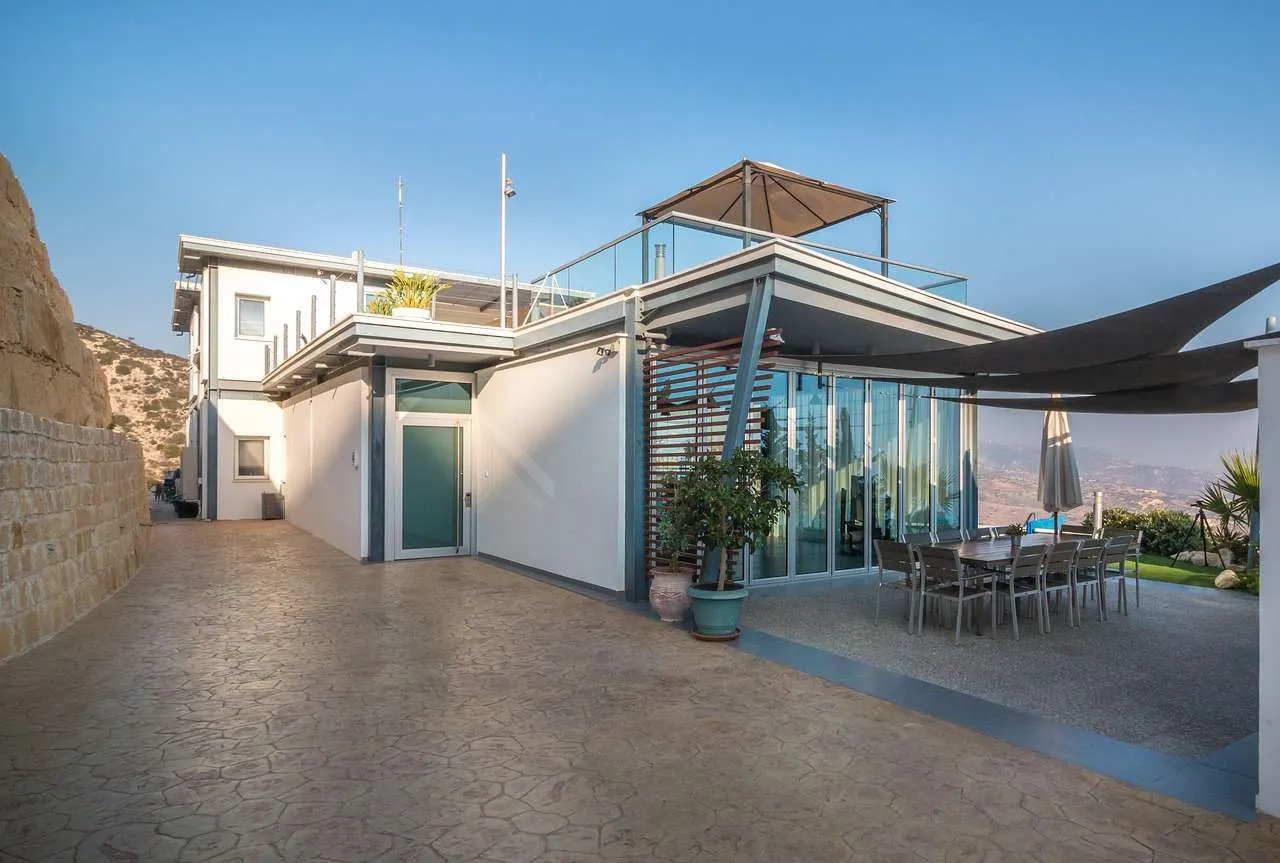
TPO roofing stands as a popular choice for flat and low-slope roofs, offering a balance of affordability, energy efficiency, and durability. As a seasoned homeowner or facility manager, understanding what tpo roofing is, how it performs, and how to select a qualified installer helps you make an informed decision. This article reflects current industry practices, manufacturer guidance, and practical maintenance tips to align with EEAT standards—establishing expertise, authority, and trust.
What is TPO Roofing?
TPO, or Thermoplastic Poly Olefin roofing, is a single-ply membrane made from a blend of polypropylene and ethylene-propylene rubber. The material is heat-welded at seams, creating watertight joints. Its white or light-colored surface reflects solar heat, reducing cooling costs in hot climates. TPO membranes are lightweight, adaptable to various substrates, and available in reinforced forms for added strength.
Benefits of TPO Roofing
- Energy efficiency: Reflective white surfaces reduce heat absorption and can lower cooling loads.
- Cost effectiveness: Typically lower installed cost than PVC, with competitive pricing against other single-ply options.
- Durability: UV resistance, good puncture resistance, and flexibility under temperature variations.
- Repairability and maintenance: Easy seam inspection and straightforward patching when needed.
- Environmental profile: Recyclable and often produced with lower embodied energy.
TPO Roofing vs Other Roof Types
When choosing between roofing membranes, consider durability, energy performance, and total cost of ownership. The table below compares typical characteristics of common flat-roof membranes.
| Characteristic | TPO | EPDM | PVC | Asphalt/Modified Bitumen |
|---|---|---|---|---|
| Typical durability | 15–30 years | 20–40 years | 20–30 years | 15–25 years |
| Energy efficiency | High (white/reflective) | Moderate to high (dark variants exist) | Very high (white) | Low to moderate |
| Installation method | Heat-welded seams | Adhesive or mechanically attached | Heat-welded seams | Ballasted/adhesive |
| Cost range (per sq ft installed) | $5–$8 | $3–$7 | $6–$9 | $4–$7 |
How to Choose a TPO Roofing System
Manufacturer and Warranties
Choose membranes from reputable manufacturers such as Firestone, Carlisle, GAF, or Oldcastle. Look for manufacturer warranties that cover both material and workmanship for 15–20 years or longer, depending on the product line. Verify that your installer is certified to install the selected membrane and that local codes and fire classifications are met.
Thickness and Reinforcement
TPO membranes typically range from 45 to 60 mils in thickness. Reinforcement (fleece-backed or reinforced scrim) improves puncture resistance and wind uplift performance, particularly on rooftops with ballast or high wind zones. The substrate, climate, and building usage influence the best choice.
Installation Process and Maintenance
- Pre-installation survey and substrate repair to ensure a clean, dry surface.
- Seam preparation and heat-welding of TPO sheets at factory seams or on-site.
- Flashing at edges, penetrations, and curbs to ensure watertight transitions.
- Quality checks and close-out documentation, including warranty registration.
Maintenance is straightforward: keep the roof clear of debris, inspect seams after severe weather, and schedule periodic professional inspections. Promptly address any tears or lifted seams to prevent leaks and extend the membrane’s life.
Common Myths About TPO Roofing
- Myth: TPO is inherently unreliable. Reality: Modern TPO products from major manufacturers come with extended warranties and tested performance, though selection and installation quality matter.
- Myth: All TPO membranes are the same. Reality: Formulations vary by maker, including reinforcement, thickness, and additive systems that affect durability and repairability.
Cost, ROI, and Longevity
Relative to other flat-roof options, tpo roofing often provides a favorable balance of upfront cost and long-term energy savings. Typical installed costs range from $5 to $8 per square foot, with climate, roof complexity, and thickness influencing final price. When combined with reflective coatings and regular maintenance, owners may experience lower cooling costs and extended roof life, contributing to a favorable return on investment.
From an EEAT perspective, engaging a certified contractor with verifiable references, aligning with manufacturer guidelines, and documenting inspections strengthens trust and demonstrates expertise to readers and search engines alike.
Conclusion, by choosing a proven TPO membrane, qualified installers, and an ongoing maintenance plan, buildings can achieve reliable waterproofing, energy efficiency, and strong long-term performance and value.